What Affects the Cost of a Full Home Renovation?
AMP Builder Ltd · Published · Updated November 4, 2026 · Sources checked 2026-11-04
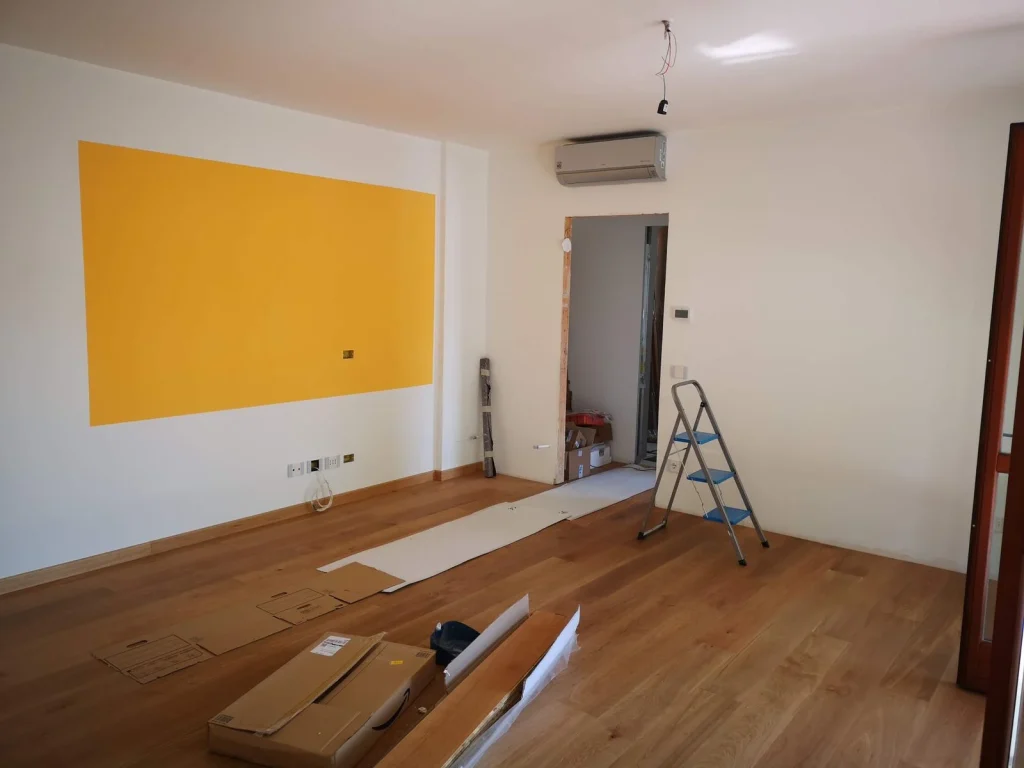
A useful renovation budget starts with the work, not a price per photograph. Two houses with the same floor area can need very different preparation, services and finishes. Instead of searching for one figure that promises to cover everything, build a scope that explains what will change and what remains uncertain. This guide helps homeowners organise the decisions that make quotations more comparable without presenting generic prices as AMP Builder’s rates.
In this guide
Separate the essential repairs from the wish list
Walk through the property and record the problems you need to solve. A leaking roof, damaged floor or inadequate service arrangement is different from a preferred wall colour or a new style of kitchen door. Both can belong in the project, but separating them helps you make choices when the specification develops. Mark each room’s current condition and intended use. If you have recently bought the property, review the survey and identify which concerns need further investigation before a firm building scope can be prepared.
Condition can matter as much as size
Hidden fabric and services can change the work once finishes are removed. Uneven floors, moisture, damaged timber or earlier alterations may require investigation rather than a simple cosmetic treatment. Avoid assuming that every wall can be replastered or every old floor covered without preparation. Ask which areas have been inspected and which remain assumptions. A sensible conversation about uncertainty is more useful than a confident total that quietly excludes the difficult parts. Agree how any newly discovered condition will be explained, assessed and priced before extra work proceeds.
Layout changes create connected work
Removing a wall can affect structure, services, fire safety and the surfaces around the opening. Moving a bathroom can alter drainage as well as the room itself. An open-plan kitchen may need electrical and ventilation decisions before cabinetry is ordered. Record these interfaces so that one quote is not simply for the visible fitting while another includes the associated building work. Where drawings or structural design are needed, establish them before using a preliminary number as a fixed contract sum.
Finishes and supply responsibilities change the comparison
Units, worktops, sanitaryware, floor products and fittings differ in both purchase cost and installation requirements. Make a schedule of the products you have selected and the items still undecided. Confirm who orders, checks and stores deliveries and who deals with missing or damaged components. Specialist fabrication or templating can introduce a separate stage. A quotation with a generous allowance and one that excludes the same products are not equivalent, even if their headings both say kitchen renovation.
Access, occupation and sequence have practical effects
Work in an empty house differs from work around an occupied family kitchen or the only bathroom. Access for materials, storage, protection and waste removal can influence the arrangements. Phasing may help household life, but can require repeated preparation and temporary facilities. Discuss these matters before assuming that a staged project and one continuous scope should have the same price. A programme should also recognise design decisions, product lead times and inspections rather than only the visible construction days.
Build a comparison that you can actually use
Place quotations beside the same drawings and room schedule. Compare preparation, materials, services, removals, making good, exclusions, allowances and approval responsibilities. Ask what would trigger a change and how it would be authorised. Keep an appropriate contingency discussion separate from a contractor’s stated price; there is no universal percentage that describes every house. Before signing, understand the payment arrangements and obtain suitable independent advice where needed. The aim is a clear decision about scope and risk, not simply choosing the smallest number.
Practical questions, answered
Why can similar houses have different renovation costs?
Their fabric, services, access, layouts and selected finishes can differ substantially. Compare the actual condition and scope rather than floor area alone.
How should uncertain work appear in a quotation?
Ask which items are allowances or depend on investigation, how they will be assessed and how a change will be authorised. Do not assume that every uncertainty is included in a fixed sum.
Should I choose all the finishes before enquiring?
You can begin with your priorities and existing information. Clearly distinguish confirmed selections from items that still need a supply or design decision.
Prepare for a practical project conversation
Bring the property postcode, your priorities, any relevant plans and a list of the questions you still need answered. Distinguish the work you know is required from the options you want to explore. Ask who will provide the necessary assessment, design and approvals, and keep the agreed scope with your project records. A useful first discussion identifies the next information needed rather than treating an early idea as a fully developed specification.
Explore full property renovation & refurbishment or Request a Free Consultation. You can also call AMP Builder on 07460 078657.
Sources and review
Source check: 4 November 2026. This is general information, not a property-specific planning, legal or technical determination. Requirements can change; confirm the current position with the relevant authority or qualified professional before acting.