
HARROW / PROPERTY & EXTERNAL WORKS
HMO Property Refurbishment Services in Harrow
Practical refurbishment for landlords, with the property’s requirements kept in view.
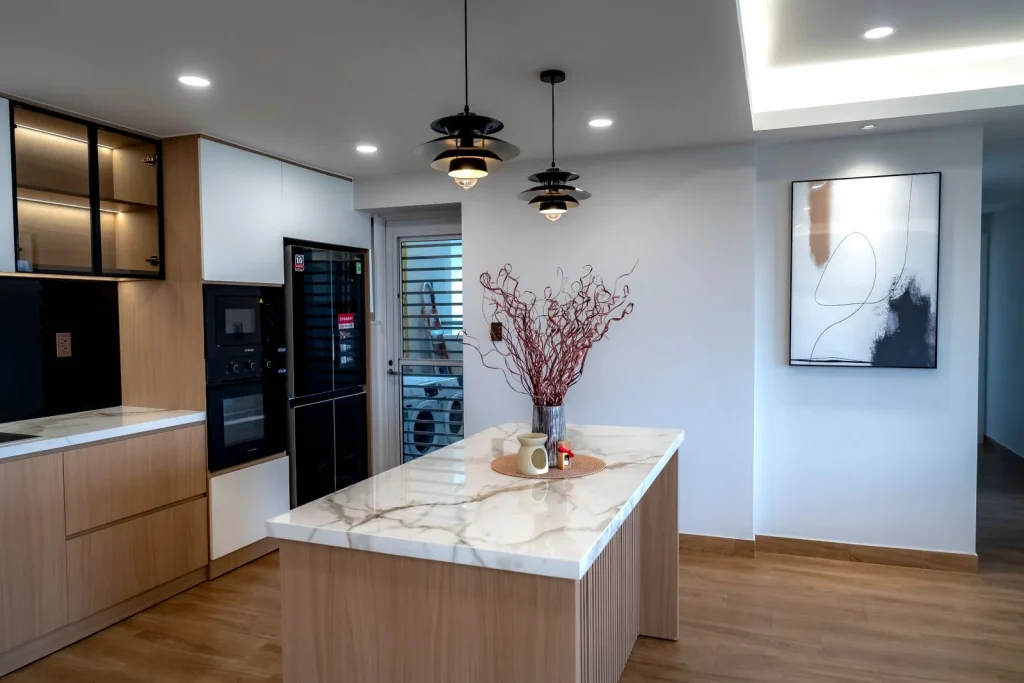
Refurbishment for the way a shared property is used
Shared homes need careful attention to the condition of rooms, kitchens, bathrooms and circulation spaces. AMP Builder Ltd works with landlords and property owners on HMO-related refurbishment in Harrow. Start with the property’s lawful use, current condition and the intended work, rather than assuming that an internal layout can be changed without further checks.
Building improvements may involve repairs between tenancies, replacement facilities or a more extensive refurbishment. Durable finishes, practical storage and access for maintenance matter in rooms used by several people. The scope should identify what remains, what is renewed and which decisions depend on professional advice or council requirements.
Rooms, shared facilities and building services
Kitchens and communal spaces
Discuss how the kitchen and shared areas are used, the existing facilities and the requirements applying to the property. Layout, appliance positions, ventilation and durable surfaces should be considered together. A new finish is only useful when the underlying installation and the available space suit the intended occupancy.
Bathrooms, en suites and internal improvements
Bathroom work depends on drainage, water supplies, ventilation and suitable construction. Room alterations should be considered against the agreed layout, any licence conditions and the appropriate fire-safety advice. Do not infer an acceptable room size or occupancy from a generic plan.
Refurbishment between tenancies
Repairs, flooring and decoration can be discussed as a coordinated scope. Record access and the current condition before work starts, and separate ordinary improvements from any specialist inspection, testing or certification. Avoid promising a reletting date before requirements and the programme are established.
Bring the right documents into the conversation
Existing floor plans, council correspondence, licence conditions and a suitable fire-safety assessment help establish the brief. The relevant professionals should define any required fire doors, detection, escape arrangements and services. AMP does not promise planning consent, licensing approval, rental returns or unverified compliance certification.
Important details before you start
Planning permission, HMO licensing, building regulations and fire safety are different checks. One approval does not replace another. Harrow Council’s borough-wide Article 4 Direction took effect on 12 June 2026 and was confirmed on 14 October 2026. It removes the permitted development route for a new change from a house in Class C3 to a small HMO in Class C4. Obtain advice on the property’s actual use and history before buying, changing occupation or committing to building work.
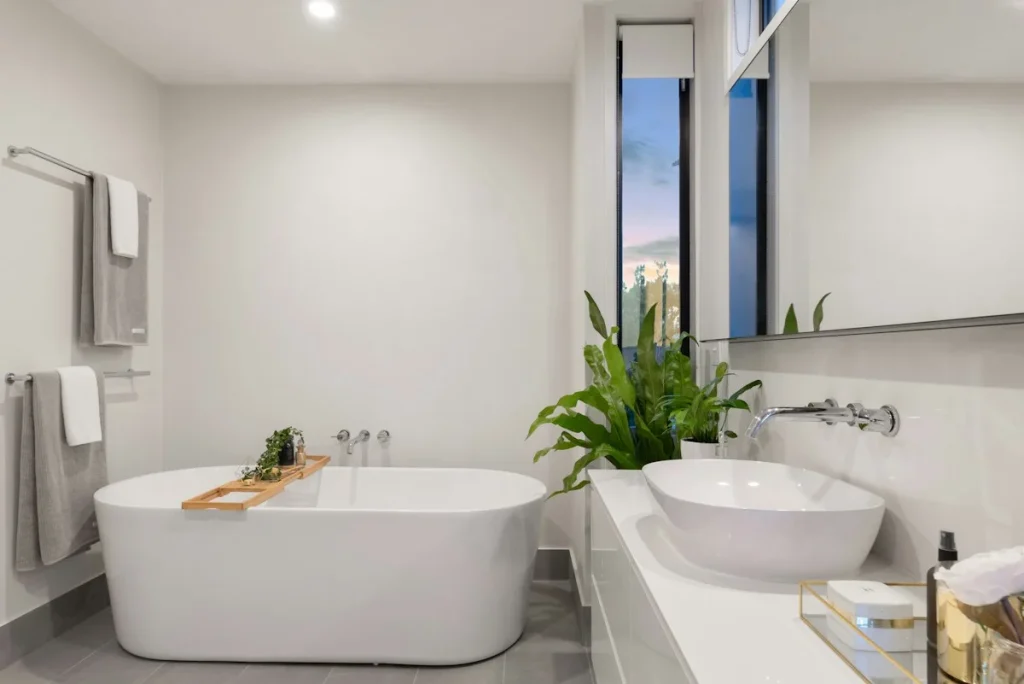

A clear conversation before an agreed scope
Bring the property’s current use, plans, council correspondence and relevant licensing or fire-safety information into the discussion. Establish which requirements and professional advice define the building scope before pricing a proposed layout. Separate required works, condition-related repairs and optional upgrades to shared facilities. Agree access and occupancy arrangements, supply responsibilities and any necessary inspections. Keep the refurbishment programme aligned with the actual approvals and completion information rather than assuming a future letting arrangement is already authorised.
Your questions, answered
What changed for small HMOs in Harrow?
The council’s borough-wide Article 4 Direction means a new C3-to-C4 change requires planning permission from 12 June 2026. The Direction was confirmed on 14 October 2026. Check the official council information and the property’s lawful use.
Does planning permission replace an HMO licence?
No. Planning and licensing are separate systems. Ask the council’s housing licensing team which licensing requirements apply to your property, occupancy and proposal.
What building work can be discussed?
Refurbishment, kitchens, bathrooms, room improvements and associated services can be discussed against an agreed design and requirements. The actual scope depends on the property and appropriate professional advice.
Can you guarantee planning approval or compliance?
No approval or licensing outcome can be promised. Establish the planning position, licensing requirements, building-control route and fire-safety specification with the appropriate advisers.
What should landlords provide?
Supply existing plans, current occupancy information, council correspondence and any licensing or fire-safety documents. Avoid sending tenant personal details that are unnecessary to understand the building works.
Can work be done between tenancies?
That may be a useful opportunity for repairs and upgrades. Agree access, scope and the approvals or inspections required before committing to a reletting date.
For property-specific requirements, consult the relevant authority or qualified adviser. Building regulations guidance · Harrow Council: HMO Article 4 Direction · HMO licensing
Plan the connected work
Discuss Your Project ↗ or visit our building journal for published advice as it becomes available.
YOUR HOME / THE NEXT STEP
Let’s discuss what you have in mind.
Tell us about the property and the work you are considering. We can start with your priorities and the information needed to explore a practical scope.