
HARROW / RENOVATE & IMPROVE
Electrical Services for Homes & Renovations in Harrow
Thoughtful lighting and power, planned before the room is finished.
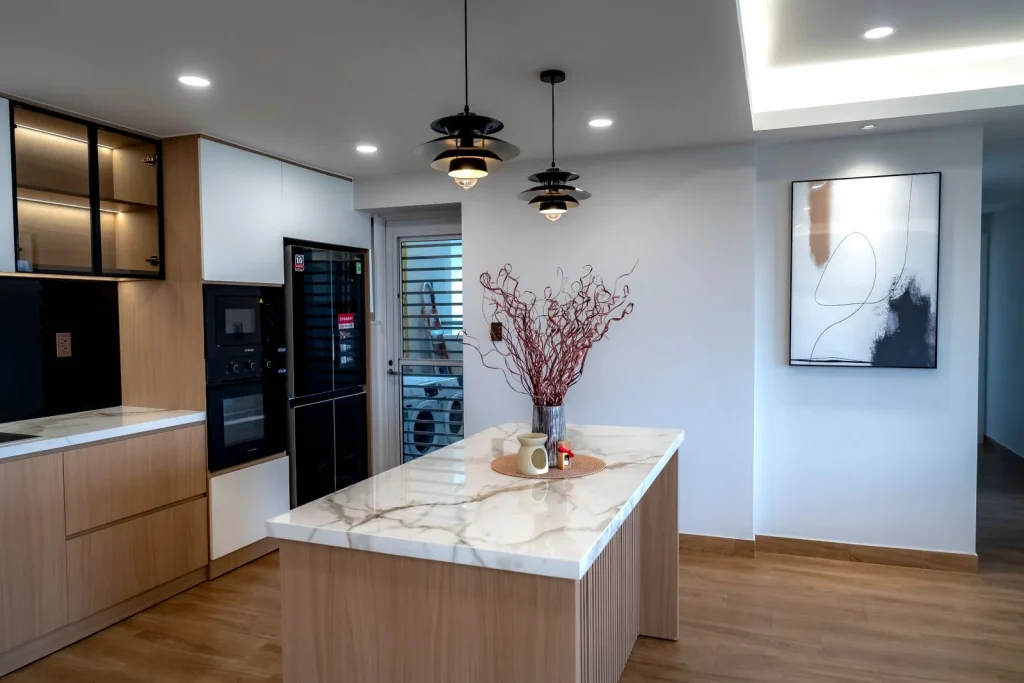
Start with the property and the purpose
Extensions and renovations are an opportunity to think carefully about how a home uses lighting, sockets and electrical equipment. AMP Builder Ltd includes electrical services in its confirmed property improvement range in Harrow. Describe the rooms, appliances and changes you are planning so that the electrical element can be considered with the wider building work. The final scope and the personnel responsible must suit the installation and the relevant requirements.
Plan each room around everyday use
Begin with furniture, work surfaces and the activities that happen in the room. Lighting positions, switching and socket locations should support that layout rather than be fitted into whatever space remains. Kitchens need appliance information early; a home office may need power in a different place from a bedroom. Record the intended equipment and ask which existing arrangements need inspection before the design is finalised.
Electrical work during renovations
Opening walls and floors can provide an opportunity to consider changes, but it does not mean every installation needs the same work. Existing condition, capacity and the planned additions need competent assessment. Discuss lighting improvements, additional sockets and rewiring considerations individually. A quotation should distinguish new work, any inspection of existing circuits, making good and the testing or documentation associated with the agreed installation.
Kitchens, bathrooms and extensions
These spaces introduce specific interfaces with water, ventilation, appliances and the building fabric. Electrical positions should be coordinated with cabinetry, showers, extraction and glazing. Product selection and the suitability of fittings require appropriate professional judgement. Do not choose a bathroom fitting purely because it looks suitable in a photograph; its intended location and relevant requirements need to be checked.
Competence, notification and documentation
Electrical safety requirements in England include Building Regulations Part P. Some work is notifiable and the appropriate building-control or registered competent-person route must be established before it begins. Ask who is carrying out and testing the installation, which route applies and what documentation you should retain. Check the responsible operative’s relevant registration and the documentation for the work you agree.
Coordinate the work before decoration
Electrical changes can affect plastering, ceilings, joinery and finished surfaces. Confirm positions and equipment information before those areas are closed. Allow for inspection and testing within the programme rather than treating them as a cosmetic finishing task. Share photographs, existing drawings and known concerns in the first enquiry, but do not remove covers or expose wiring to obtain more detail yourself.
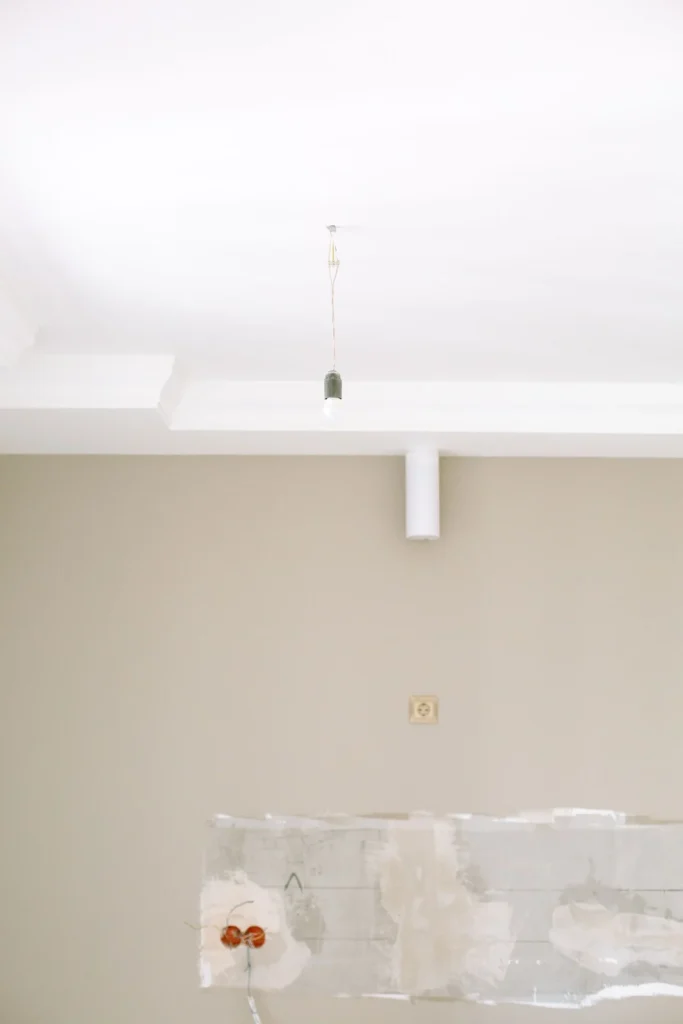
A clear conversation before an agreed scope
Prepare a room-by-room list of lighting, power and appliance requirements. A competent assessment of the existing installation should inform the proposed additions or changes. Establish who carries out and tests the work, the applicable notification route and the documents to retain. Coordinate cable and fitting positions with kitchens, bathrooms and other finishes before surfaces are closed. Agree the making-good scope and any interruptions to power, keeping confirmed equipment specifications available during the work.
Your questions, answered
Can lighting be changed during a renovation?
Yes, discuss the layout and intended use of the room. The existing installation, proposed fittings and appropriate professional assessment determine the actual scope.
What electrical documentation should I ask for?
Confirm the operative’s competence and relevant registration, the notification route and the inspection, testing and documentation included in the agreed work.
Is all domestic electrical work notifiable?
No. Notification depends on the work and location. Refer to current Part P guidance and establish the appropriate route with the responsible professional before starting.
Should appliance information be supplied early?
Yes. Loads, connection positions, ventilation and manufacturer instructions can affect the design and installation, especially in a new kitchen.
Can electrical work be combined with plastering?
It should be planned with it. Agree the service routes, inspections and testing before final plastering and decoration close the work.
What should I send in an enquiry?
Describe the rooms, planned equipment and the problem or improvement. Safe photographs and existing documentation are useful; never expose live components for a photograph.
For property-specific requirements, consult the relevant authority or qualified adviser. Building regulations guidance · Electrical safety: Part P
Plan the connected work
Discuss Your Project ↗ or visit our building journal for published advice as it becomes available.
YOUR HOME / THE NEXT STEP
Let’s discuss what you have in mind.
Tell us about the property and the work you are considering. We can start with your priorities and the information needed to explore a practical scope.