
HARROW / BUILD & EXTEND
Demolition & Waste Clearance in Harrow
A carefully defined start for the building work that follows.
Start with the property and the purpose
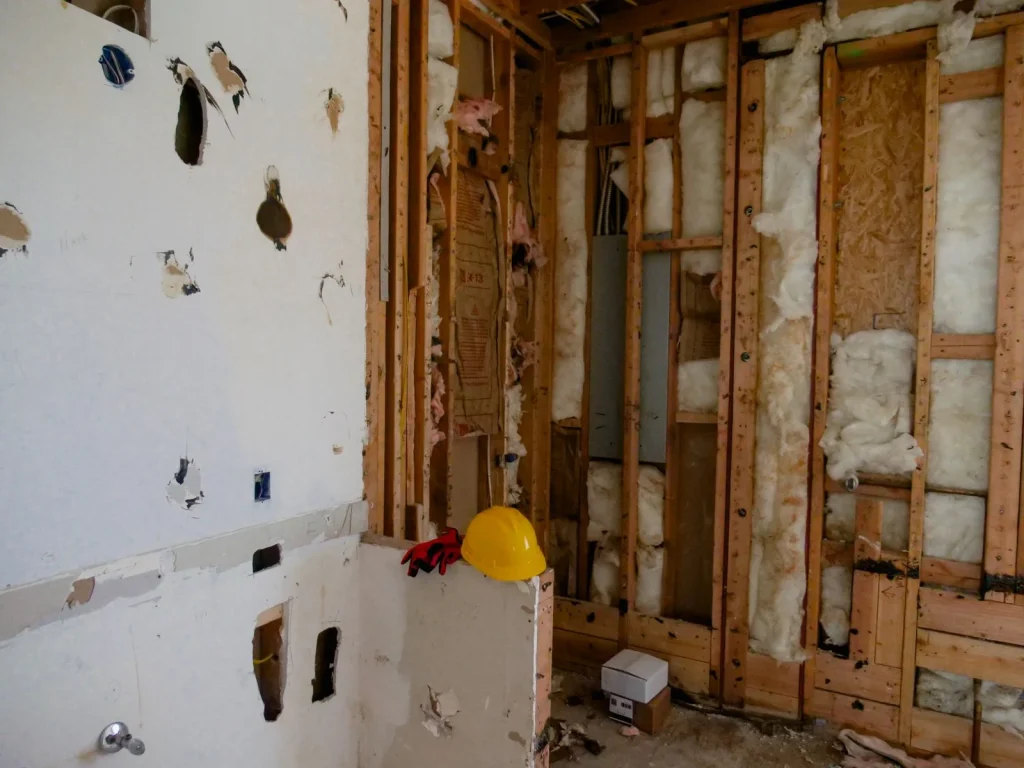
Removing existing fixtures or preparing a property for refurbishment is a building task in its own right. AMP Builder Ltd’s confirmed services include demolition and waste clearance in Harrow, with the actual scope assessed against the property, materials and proposed work. Discuss what must be removed, what remains and how the space will be used afterwards. Specialist demolition, hazardous materials and structural work require particular competence and arrangements.
Define what stays and what goes
A strip-out brief should identify fixtures, finishes, services and any items to be retained. Photograph what matters and note whether components are to be protected, stored or removed. Structural elements should never be treated as redundant simply because a room is being redesigned. The intended next stage of work helps establish the right extent of removal and the condition in which the space should be left.
Structural and service checks before removal
Walls and floors may conceal loads, pipes or cables. Appropriate assessment and safe isolation are necessary before affected work proceeds. Structural demolition needs suitable professional design, planning and authorised competence; this page does not advertise unrestricted demolition of every building type. Ask which surveys, consents and temporary works are required for your specific proposal before a demolition programme is agreed.
Waste handling and lawful disposal
Agree who is responsible for arranging collection, the relevant carrier registration and the destination of the waste. Appropriate transfer documentation and lawful disposal arrangements matter alongside the practical question of where a skip fits. Check the actual carrier’s registration and the transfer documentation for the agreed waste arrangements. Homeowners should check the actual arrangements rather than assuming that paying for removal ends all responsibility for the material.
Suspect materials and occupied properties
Older materials can require specialist identification before they are disturbed. Suspect asbestos and hazardous materials require appropriate specialist assessment and separately agreed arrangements. If suspect material is identified, the work and the appropriate specialist route need to be reviewed. An occupied property also needs a plan for separation, dust, access and essential services; do not assume a room can remain in normal use while removal is underway.
Prepare for the next construction stage
A useful clearance scope describes more than an empty room. It should identify retained surfaces, temporary protection, remaining services and the preparation needed for the next trade. Coordinate waste movements with access for new materials, neighbouring properties and any highway permissions. Share plans, photographs and known surveys with the enquiry so that the conversation begins with the actual building rather than a generic clearance assumption.
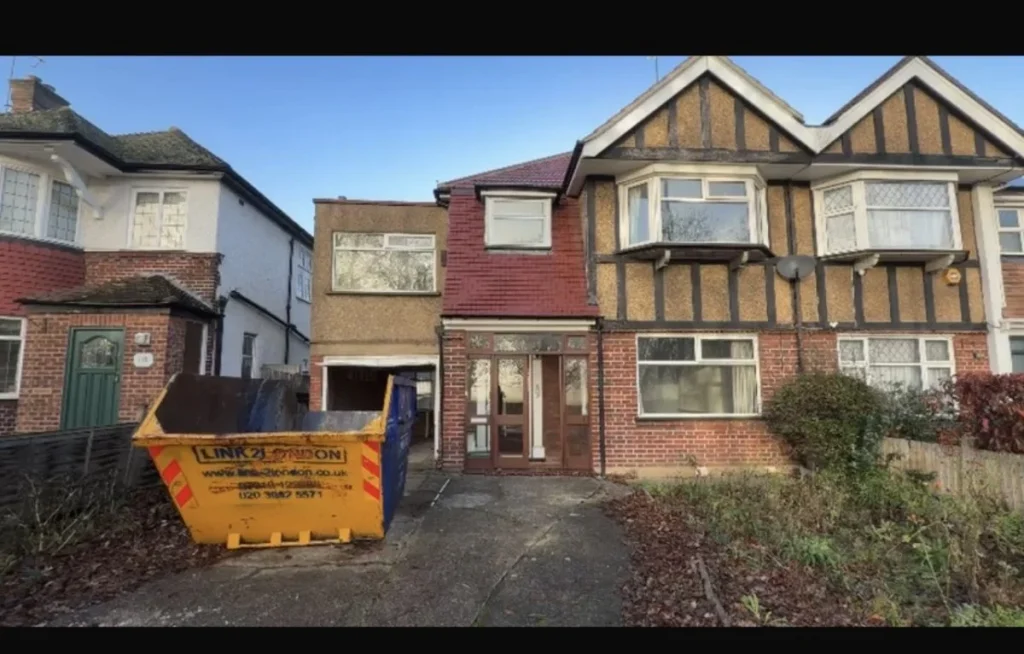
A clear conversation before an agreed scope
Mark what must be retained, protected and removed, and provide existing plans or relevant surveys. Establish the structural and service checks needed before disturbance. Clarify the safe scope, specialist boundaries, waste carrier and disposal documentation before arranging removal. The quotation should identify how the cleared space will be left for the next stage of construction. Agree how suspected hazardous materials or previously concealed conditions will be handled without extending a general strip-out into unassessed work.
Your questions, answered
Can a kitchen or bathroom strip-out be discussed?
Yes. Identify fixtures to remove, services affected and anything to retain. The scope and isolation arrangements must be assessed before removal begins.
Can any wall be removed during a strip-out?
No. Establish whether it has a structural or other important role. Appropriate professional assessment and a safe planned method are needed where structural work is involved.
Who takes responsibility for waste?
Confirm the carrier, registration where required, transfer documentation and disposal arrangements in the agreed scope. Check the carrier’s actual registration before removal is agreed.
Do you offer asbestos removal?
Suspect materials require appropriate assessment and specialist arrangements before disturbance. Provide any relevant survey information and keep this work separate from a general strip-out assumption.
Can the property remain occupied?
That depends on the separation, dust, services and scope. Agree the practical and safety arrangements before assuming rooms can remain available.
What information helps define the job?
Plans, safe photographs, material information, surveys and a clear list of retained and removed items help. Mention access, occupancy and the intended next stage of construction.
For property-specific requirements, consult the relevant authority or qualified adviser. Building regulations guidance · Waste disposal responsibilities
Plan the connected work
Discuss Your Project ↗ or visit our building journal for published advice as it becomes available.
YOUR HOME / THE NEXT STEP
Let’s discuss what you have in mind.
Tell us about the property and the work you are considering. We can start with your priorities and the information needed to explore a practical scope.